Leaf
Arrangement: opposite decussate
19
Species
Species with this characteristic
19 species catalogued
sorted alphabetically
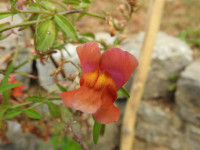
Antirrhinum majus
Garden Snapdragon
Plantaginaceae
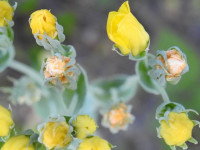
Blackstonia perfoliata
Yellow-Wort
Gentianaceae
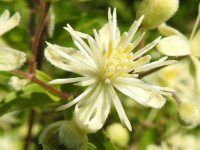
Clematis vitalba
Evergreen clematis
Ranunculaceae
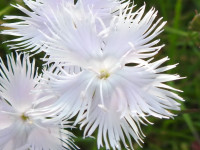
Dianthus hyssopifolius
Fringed Pink
Caryophyllaceae
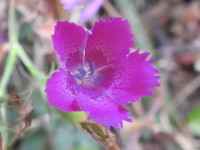
Dianthus seguieri
Ragged Pink
Caryophyllaceae
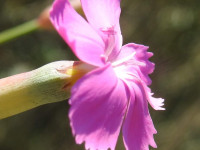
Dianthus sylvestris
Woodland Pink
Caryophyllaceae
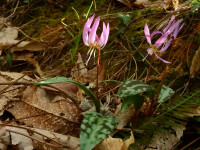
Erythronium dens-canis
Dog's-Tooth-Violet
Liliaceae
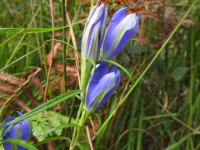
Gentiana pneumonanthe
Marsh Gentian
Gentianaceae
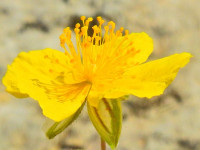
Helianthemum nummularium
Common Rock-Rose
Cistaceae
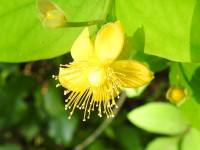
Hypericum androsaemum
Tutsan
Hypericaceae
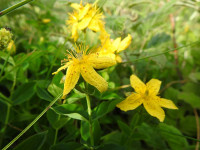
Hypericum richeri
Alpine St John's-wort
Hypericaceae
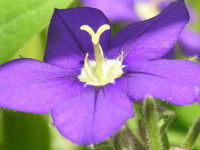
Legousia speculum-veneris
Large Venus's-looking-glass
Campanulaceae
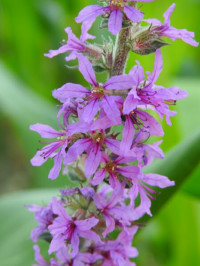
Lythrum salicaria
Purple Loosestrife
Lythraceae
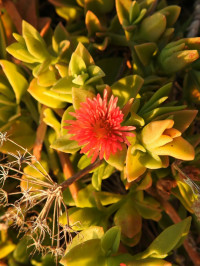
Mesembryanthemum cordifolium
Brack Mesemb
Aizoaceae
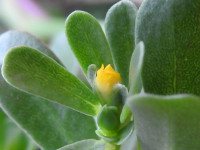
Portulaca oleracea
Common Purslane
Portulacaceae
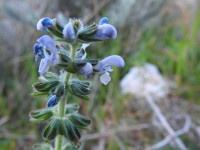
Salvia verbenaca
Wild Clary
Lamiaceae
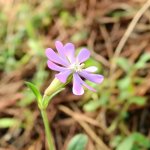
Silene colorata
Silene colorata
Caryophyllaceae
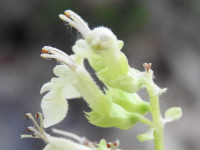
Teucrium scorodonia
Woodland germander
Lamiaceae
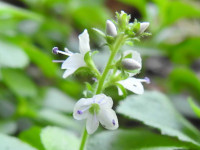
Veronica officinalis
Common Speedwell
Plantaginaceae
Frequently asked questions
- How many species with the characteristic «Arrangement: opposite decussate» are catalogued?
- The catalogue contains 19 Italian wild plant species with the characteristic «Arrangement: opposite decussate».
- How to recognise species with the characteristic «Arrangement: opposite decussate»?
- Species with characteristic «Arrangement: opposite decussate» are identified by observing this feature. Each species sheet includes field photographs to facilitate recognition.
- Where in Italy do species with «Arrangement: opposite decussate» grow?
- They grow in various Italian natural habitats: meadows, woods, coastal areas, rocky environments and wastelands. Distribution varies by species.
- How to use leaves to identify these plants?
- Leaf shape, margin and venation are key identification features. Species sheets include detailed photographs of leaves.
Explore
Other botanical characteristics