Leaf
Shape: linear-lanceolate
19
Species
Species with this characteristic
19 species catalogued
sorted alphabetically
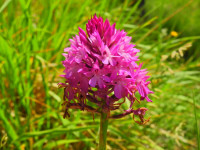
Anacamptis pyramidalis
Pyramidal Orchid
Orchidaceae
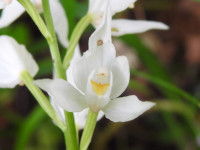
Cephalanthera longifolia
Narrow-Leaved Helleborine
Orchidaceae
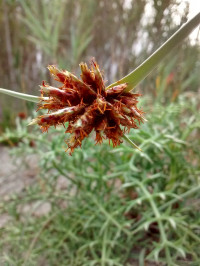
Cyperus capitatus
Zigolo delle spiagge
Cyperaceae
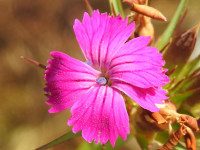
Dianthus carthusianorum
Carthusian Pink
Caryophyllaceae
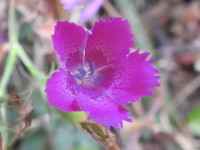
Dianthus seguieri
Ragged Pink
Caryophyllaceae
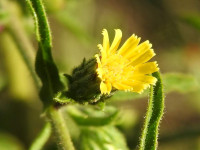
Dittrichia graveolens
Stinkwort
Asteraceae
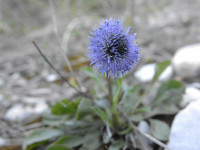
Globularia bisnagarica
Common Globularia
Plantaginaceae
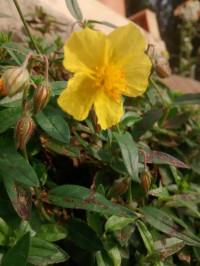
Helianthemum hirtum
Eliantemo irto
Cistaceae
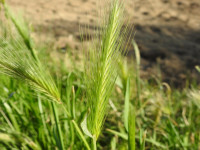
Hordeum murinum
Wall Barley
Poaceae
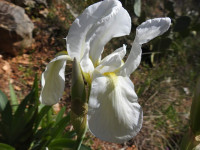
Iris lutescens
Crimean Iris
Iridaceae

Limonium acutifolium
Limonio a foglie acute
Plumbaginaceae

Linum usitatissimum
Flax
Linaceae
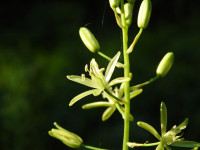
Loncomelos pyrenaicum
Spiked Star-of-Bethlehem
Asparagaceae
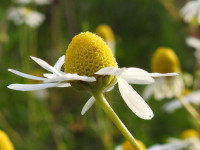
Matricaria chamomilla
Scented Mayweed
Asteraceae
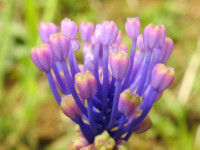
Muscari comosum
Tassel Hyacinth
Asparagaceae
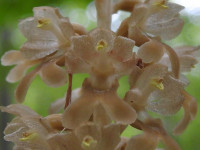
Neottia nidus-avis
Bird's-Nest Orchid
Orchidaceae
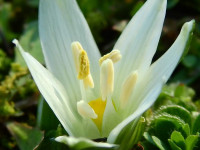
Ornithogalum exscapum
Latte di gallina minore
Asparagaceae
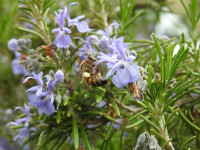
Salvia rosmarinus
Rosemary
Lamiaceae

Sternbergia lutea
Winter Daffodil
Amaryllidaceae
Frequently asked questions
- How many species with the characteristic «Shape: linear-lanceolate» are catalogued?
- The catalogue contains 19 Italian wild plant species with the characteristic «Shape: linear-lanceolate».
- How to recognise species with the characteristic «Shape: linear-lanceolate»?
- Species with characteristic «Shape: linear-lanceolate» are identified by observing this feature. Each species sheet includes field photographs to facilitate recognition.
- Where in Italy do species with «Shape: linear-lanceolate» grow?
- They grow in various Italian natural habitats: meadows, woods, coastal areas, rocky environments and wastelands. Distribution varies by species.
- How to use leaves to identify these plants?
- Leaf shape, margin and venation are key identification features. Species sheets include detailed photographs of leaves.
Explore
Other botanical characteristics