Botanical species
Thymus praecox
Opiz
Mother Of Thyme

Description
Morphological description
Mother Of Thyme is a perennial plant belonging to the Lamiaceae family, characterized by a prostrate and creeping habit, which allows it to cover the ground with wide herbaceous mats. The stem is long, finely hairy, covered with deflexed hairs about 0.3-0.4 mm long, which give a slight roughness to the touch. This hairiness, combined with the compact shape, helps the plant withstand Mediterranean environmental conditions, often dry and windy.
The leaves are petiolate, ovate or subround, with length-to-width ratios varying between 1:1 and 1:2. They are arranged oppositely along the stem and tend to progressively enlarge towards the apex of the plant. The upper surface of the leaves is glabrous and shiny, with well-defined veins, while the lower surface is generally more matte. The more basal leaves are clustered in fascicles, contributing to the bushy appearance at the base of the plant.
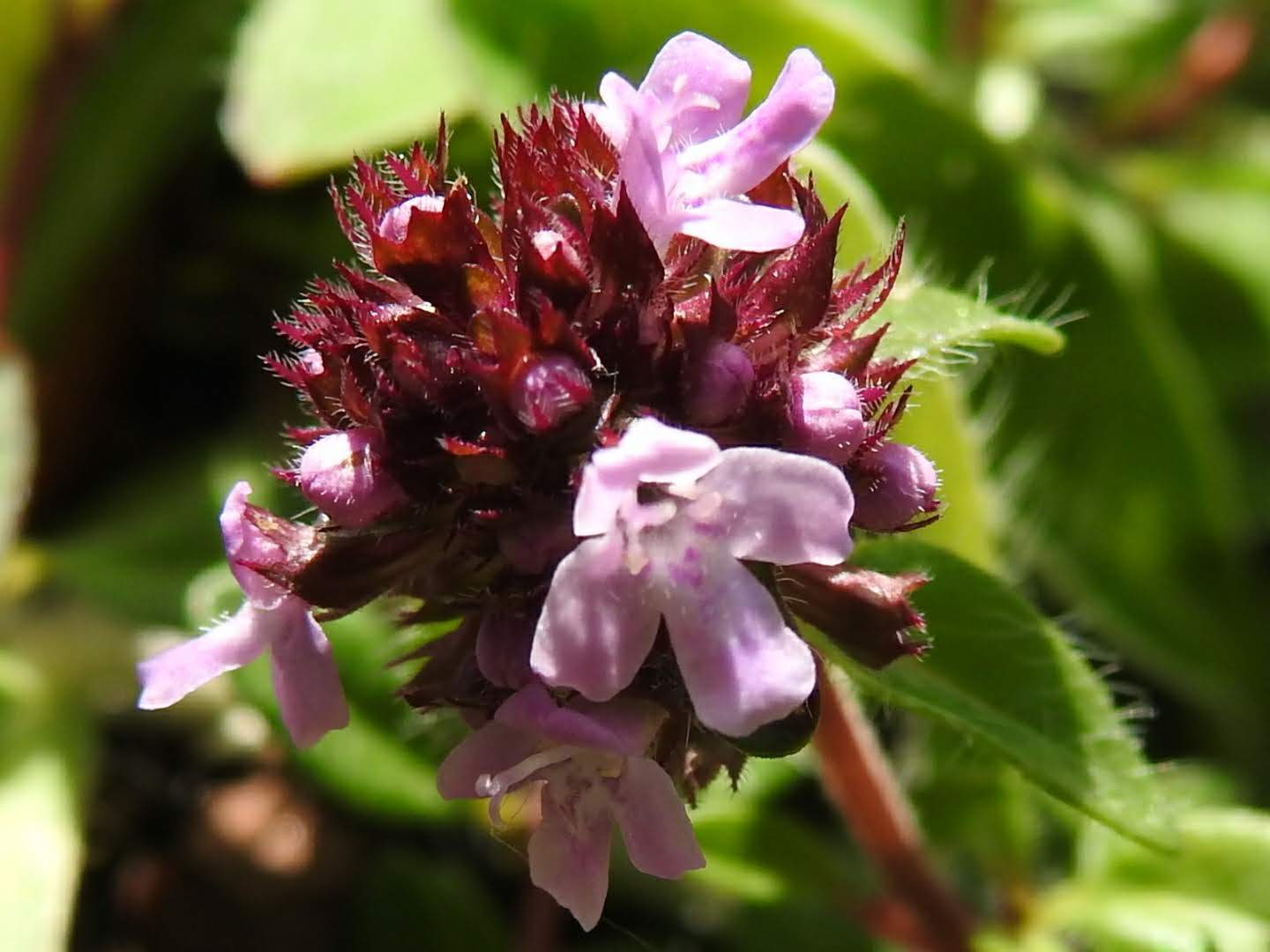
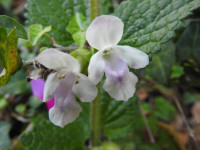
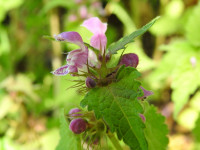
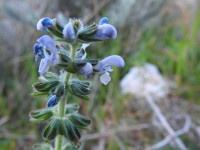
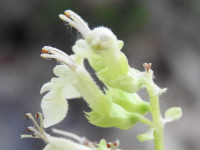
The flowers, also arranged in opposite pairs along the stems, are intense fuchsia in color and strongly fragrant. The early flowering distinguishes this species, with a peak period extending from late spring to summer. The flowers are characterized by a typical shape of the Lamiaceae family, with a bilabiate corolla and a hairy calyx, suitable for promoting visits by pollinating insects.
The fruit, as in other Lamiaceae, is a tetrachene formed by four nutlets, although this characteristic is less evident and less studied compared to the vegetative and reproductive aspects.
The root system is fibrous and well developed, allowing the plant to anchor firmly to the substrate and withstand periods of drought, typical of Mediterranean habitats.
Habitat and distribution
Mother Of Thyme is a typical species of the Mediterranean area, widespread in Italy especially in the central-northern regions and in mountainous and hilly areas. It is present in dry and sunny environments, preferring well-drained, calcareous or stony soils, often in open places such as meadows, garrigues, clearings, and sunny slopes.
The species adapts to different types of exposure but prefers well-lit ones, where the warm and dry microclimate favors its growth and reproduction. The growth altitude generally varies from sea level up to about 1500 meters, with greater frequency in the hilly and lower mountainous belts.
Flowering period
The flowering of Mother Of Thyme mainly extends from May to August, with an early initial phase compared to other species of the genus Thymus. This anticipation in flowering is functional to its adaptation to Mediterranean environments, allowing the plant to exploit the milder climatic conditions of late spring and early summer, before the arrival of hotter and drier periods.
In some geographical areas, especially at lower altitudes and in milder climates, flowering can begin as early as late April, while in higher mountainous zones it can extend until September.
Ecology and pollination
Mother Of Thyme is an important resource for pollinating fauna, attracting various pollinator insects, especially bees, bumblebees, and butterflies, thanks to its intense fragrance and vivid flower color. Pollination is mainly entomophilous, facilitated by the bilabiate structure of the corolla which favors insect access to the nectaries.
Seed dispersal occurs mainly by gravity or through small animals that may accidentally transport them. The ability to reproduce also vegetatively, thanks to creeping stems that root at the nodes, allows the plant to rapidly expand over the surrounding ground, forming extensive herbaceous mats.
Curiosities and traditional uses
Mother Of Thyme, like many other species of the genus Thymus, is known for its aromatic and medicinal properties. Traditionally, it has been used in folk medicine for its antiseptic, expectorant, and digestive properties, often employed in infusions or decoctions to relieve respiratory disorders and gastrointestinal problems.
In culinary use, the leaves and flowers can be used as flavorings, imparting an intense and fragrant taste to dishes and preserves. The plant is also appreciated for its scent, which makes it useful in cosmetic preparations and as a natural insect repellent.
From a folkloric point of view, thyme has been considered a symbol of courage and strength, with ancient traditions attributing protective and purifying virtues to it.
Etymology
The generic name Thymus derives from the Greek "thymon," a term indicating aromatic plants used in rituals and for their therapeutic virtues. The specific name praecox means "early flowering," alluding to the anticipated flowering period compared to other related species.
The Italian common name "Timo precoce" directly reflects this phenological characteristic, highlighting its early flowering in the seasonal cycle.
Sources
- Prof. S. Pignatti, "Flora d'Italia"
Characteristics
Scheda botanica
| Famiglia | Lamiaceae |
|---|---|
| Fioritura | maggio – agosto |
| Forma biologica | Creeping |
| Habitat | with fuchsia flowers, creeping plant, fragrant plant |
Domande frequenti
- Quando fiorisce Mother Of Thyme?
- Mother Of Thyme fiorisce maggio – agosto.
- Che tipo di pianta è Mother Of Thyme?
- Mother Of Thyme è una Chamaephyte (Creeping) secondo la classificazione di Raunkiaer.
- A quale famiglia appartiene Mother Of Thyme?
- Mother Of Thyme appartiene alla famiglia botanica Lamiaceae.
Where I found it (10 sightings)
Classification
- Kingdom
- Plantae
- Family
- Lamiaceae
- Full name
- Thymus praecox Opiz
- Life form
- Chamaephyte creeping
Similar species
Search for species with similar characteristicsFurther reading
Noticed an error in the identification? Write to me
Other species of the same family
Lamiaceae
Explore
Other species of Lamiaceae